Why it works
Why a corporate magician beats most corporate entertainment ideas
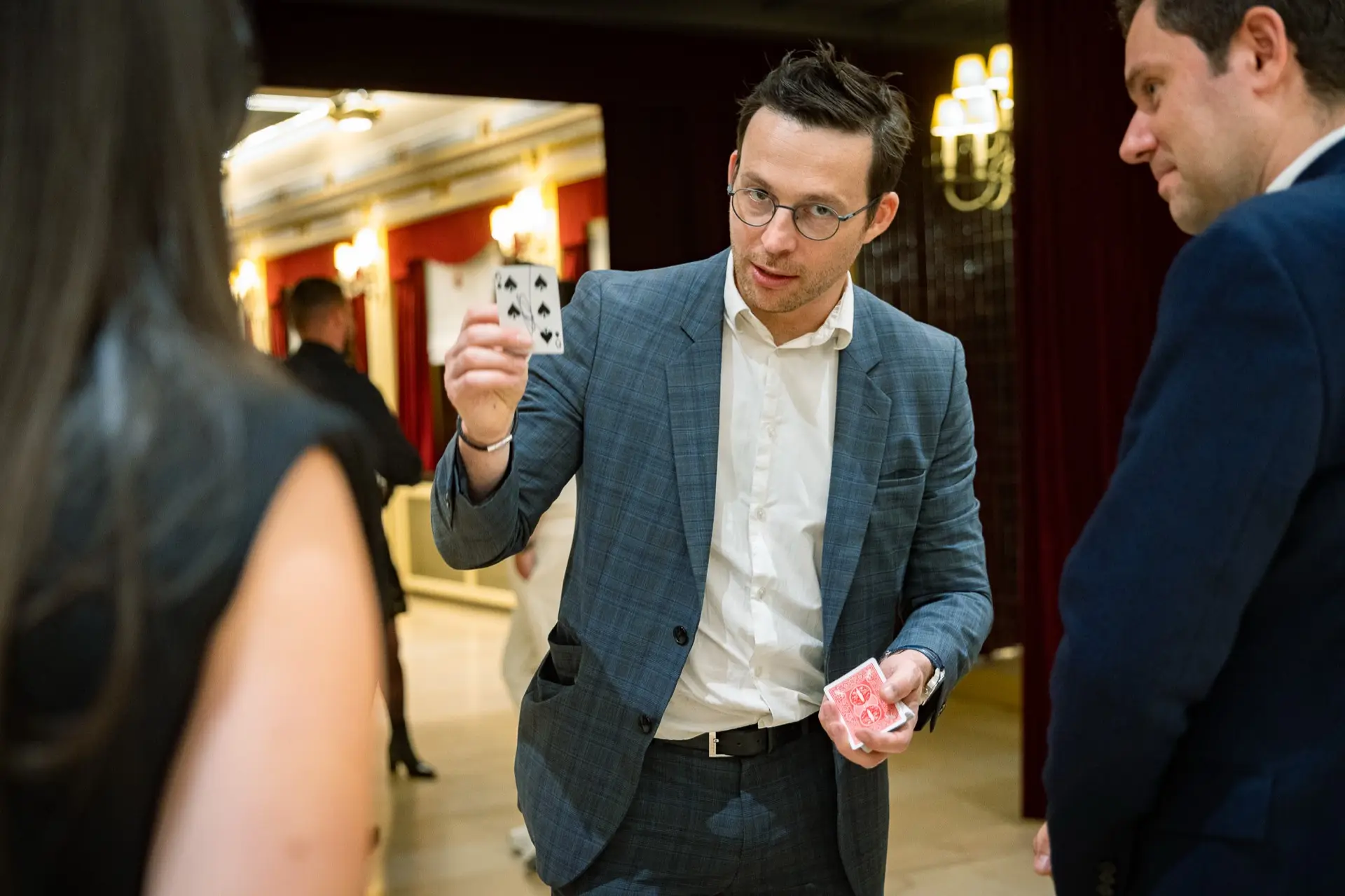
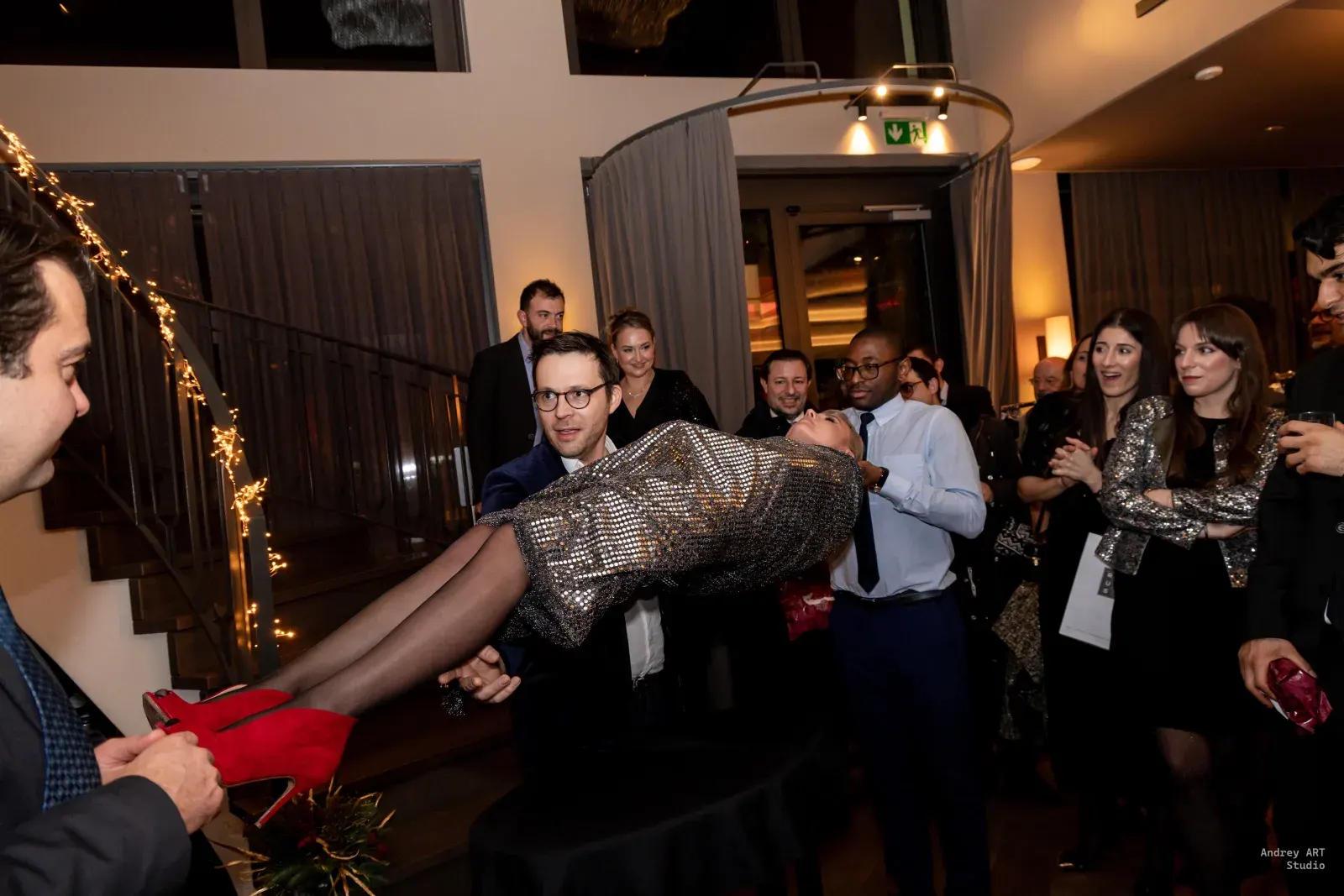
Most entertainment at a corporate event is watched. A band, a comedian, a photo booth: guests look at it, then turn back to their drinks and their phones. Magic and mentalism are the opposite. They happen in the guest's hand, with the guest's card, the guest's thought, the name of the guest's first boss. For a few minutes the deputy finance director and the new graduate are on the same side of a mystery, and the table talks. That is why event planners book a magician for the moment when a room of strangers needs to become a room of colleagues: the first hour of a reception, the gap between courses, the dinner at the end of a conference day.
The second reason is that a mentalist can carry the company's message without turning into a sales pitch. A prediction sealed before the dinner that matches the figures announced in the speech; a product that appears where nothing could have been; a thought read from the CEO that turns out to be the theme of the year. Guests remember the trick, and the message rides with it. The AI keynote takes this furthest: for a conference audience, an artificial intelligence that reads the room is the talking point of the whole programme.
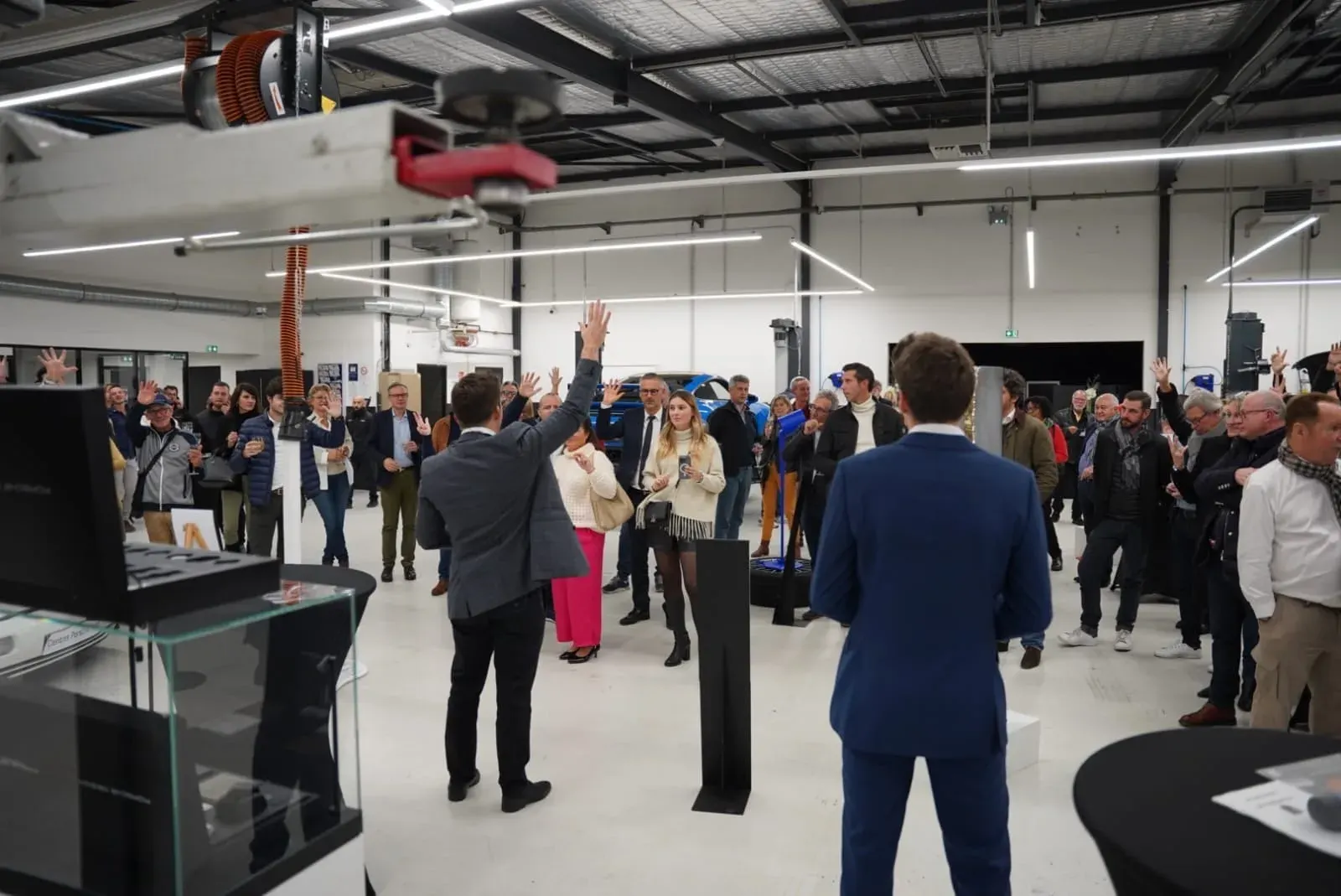
The third is practical. Close-up needs no stage, no sound and no set-up, so it fits any venue from a boardroom to a yacht. The stage show needs a microphone and a few square metres. One performer, one rider, one invoice, and someone who has done this two hundred times a year, rather than a production to manage.